On Saturday, October 27, 2012, the Darfur Women Action Group (DWAG) began a two day Darfur Women Action Symposium at the George Washington University in Washington, D.C., with a goal to continue to empower women in Darfur and Sudan. The event was led by Niemat Ahmadi, who created the DWAG organization to work with Darfur women, advance human rights, and continue public education on the human rights issues on Darfur. The symposium had panelists on women’s rights and Darfur issues, as well as individuals testifying on their personal accounts. The symposium also included films shown on Darfur, activism training, and a women’s empowerment concert performed by “Midnight Child.” It concluded on Sunday, October 28 with a round table discussion to discuss strategies for change.
As stated in their vision, DWAG “works with victims and survivors of the Darfur genocide in the Diaspora and back home in Sudan, providing them with more access to the tools that will enable them to lead the effort to combat violence, address massive human rights abuses in their society and work with others to prevent future atrocities and promote global peace. The core priority for Darfur Women Action Group lies in advancing human rights and supporting Darfuri to meet the challenges of the 21st Century.”
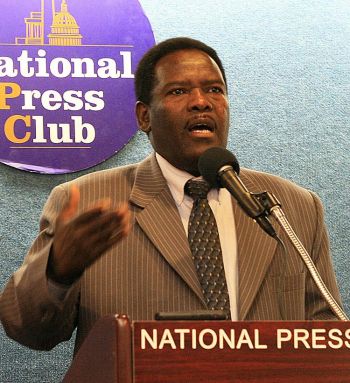
DWAG maintains a website and a Facebook page which provides ongoing information about its programs and activities. DWAG founder and president Niemat Ahmadi has spoken on CNN, at numerous functions and rallies to educate the public on Darfur, and has also appeared in Human Rights Day events led by Responsible for Equality And Liberty (R.E.A.L.) to speak on Darfur issues, including comments in December 2010 and December 2011 (part 1, part 2) at the National Press Club.
On Saturday morning, the symposium speakers included representatives from the Institute for Policy Studies (IPS), WE ADVANCE, Darfur Interfaith Network (DIN), Women Empowering Women, and other activists. Attendees included supporters and activists from George Washington University, American University, and activists from One Million Bones and other human rights organizations, including Responsible for Equality And Liberty (R.E.A.L.). Some attendees traveled from Los Angeles, CA, Philadelphia, PA, and New York City, NY, including high school students who were working to promote awareness of Darfur women’s issues among their fellow students. Attendees included members of the Public International Law and Policy Group (PILPG), which posted their own summary on the Saturday morning portion of the symposium.
Emira Woods of the Institute for Policy Studies (IPS) served as the moderator for discussions. Ms. Woods stated that the public needed to continue to become aware of the oppression of women in Darfur, and the ongoing problem of and that she urged everyone work towards helping internally displaced people (IDP) who have been forced to flee Sudan. Ms. Woods spoke out against rape and violence against women, speaking about how women in society must continue to challenge such violence and hate. Emira Woods stated “you strike a woman, and you strike a rock.”
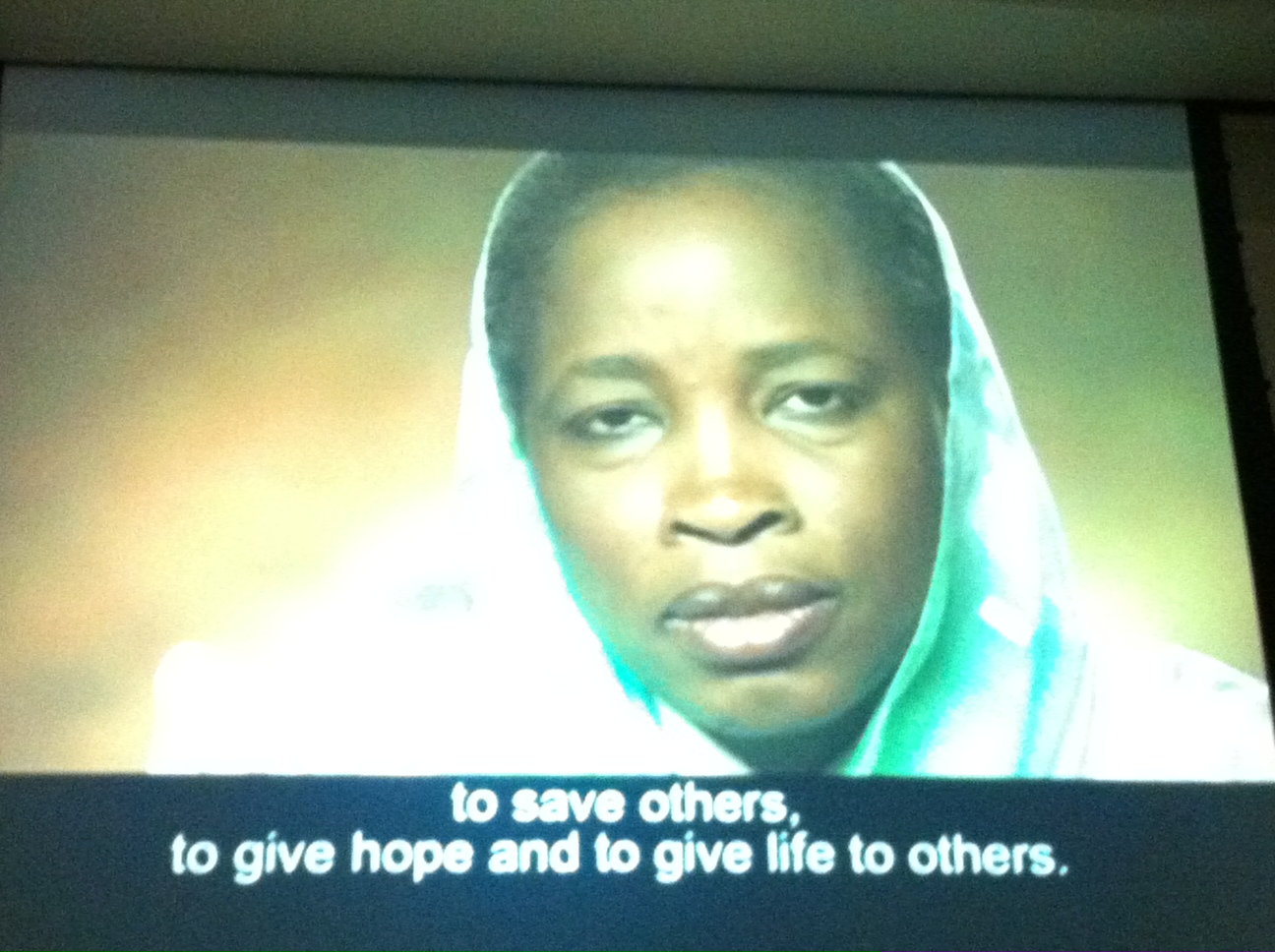
Emira Woods introduced a DWAG film describing the problems of continuing rape and abuse of women in Darfur. The DWAG film urged the public to help the cause of Darfur women acting to rebuild their lives and to end the genocide and oppression against women. In the film, DWAG founder Niemat Ahmadi spoke about the oppression of women and the fears for her own safety, but that “for me to die is no different than those people who are dying.” Niemat Ahmadi remembered those oppressed and those “imprisoned in the IDP camps,” urging the public “let us promise ourselves and hold ourselves back that there is still something we can do to save others, to give hope and to give life to others.” The DWAG video recounted details of the millions killed, the 25 million displaced, the 4 thousand villages burned, the use of the Janjaweed militia to kill children and others, and the use of rape as a weapon of war.
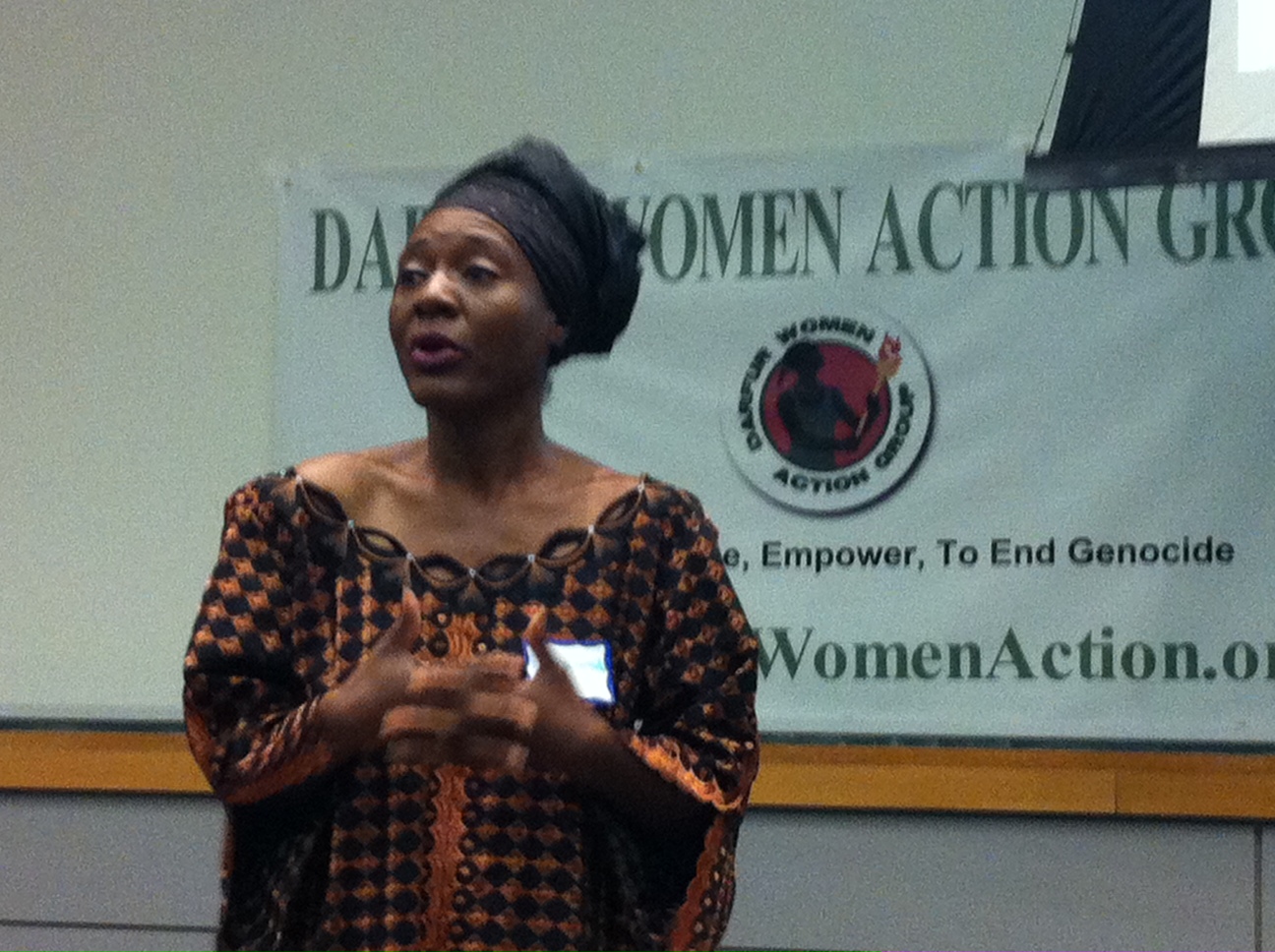
Darfur Women Action Group leader Niemat Ahmadi spoke at the symposium. Niemat Ahmadi expressed her thanks to the many people working to support Darfuri women and promote change for human rights and dignity in Darfur and Sudan. She praised the resilience and courage of the Darfuri women in their efforts to reclaim their position of respect in society. She pointed out that we must not allow people to tell us that the genocide is over in Darfur and Sudan. “It is not over,” Niemat Ahmadi stated, and she pointed out that there continues to be violence, killings, and oppression of Darfuri women and Internally Displaced Persons (IDP).
Niemat Ahmadi explained how women were previously treated with more respect in the traditional Darfur and Sudanese society. She explained how rape was used as a weapon of war to attack Darfur society, where chastity was an important value among the predominantly Muslim women in Darfur, and was intended to divide families, villages, and society. Niemat Ahmadi had worked with women who were raped to provide counseling, support, and courage; she encouraged Darfuri women to take a stand against such violence against women. Niemat Ahmadi urged such Darfuri women to use their talents and their strengths, and reject being viewed as victims. In addition, she noted that the issues for Darfuri women were not unlike problems for women in Nuba region, South Kordofan, and Khartoum. She urged that women continue to be part of the peace process in Sudan and Darfur.
Her influence in organizing the Darfuri women was viewed as a threat by the Sudanese government. As a result, she explained how the Sudanese government sought to prevent meetings of groups of Darfuri women. Niemat Ahmadi then how she used the concept of “movable meetings,” with two women meeting at a time, to share information and to spread the word on ways to combat the violence and oppression that they faced. Niemat Ahmadi described her desire to stay and continue to help those women in the IDP camps, but she was urged to come to the United States to use her influence and voice here to help Darfuri women. She urged women to end the stigma and silence regarding the violence against Darfuri women, and urged people in the United States and the world to use their influence to help change the future for women and children of Darfur. She thanked the various individuals who came to the symposium from various parts of the country, and the groups represented there.
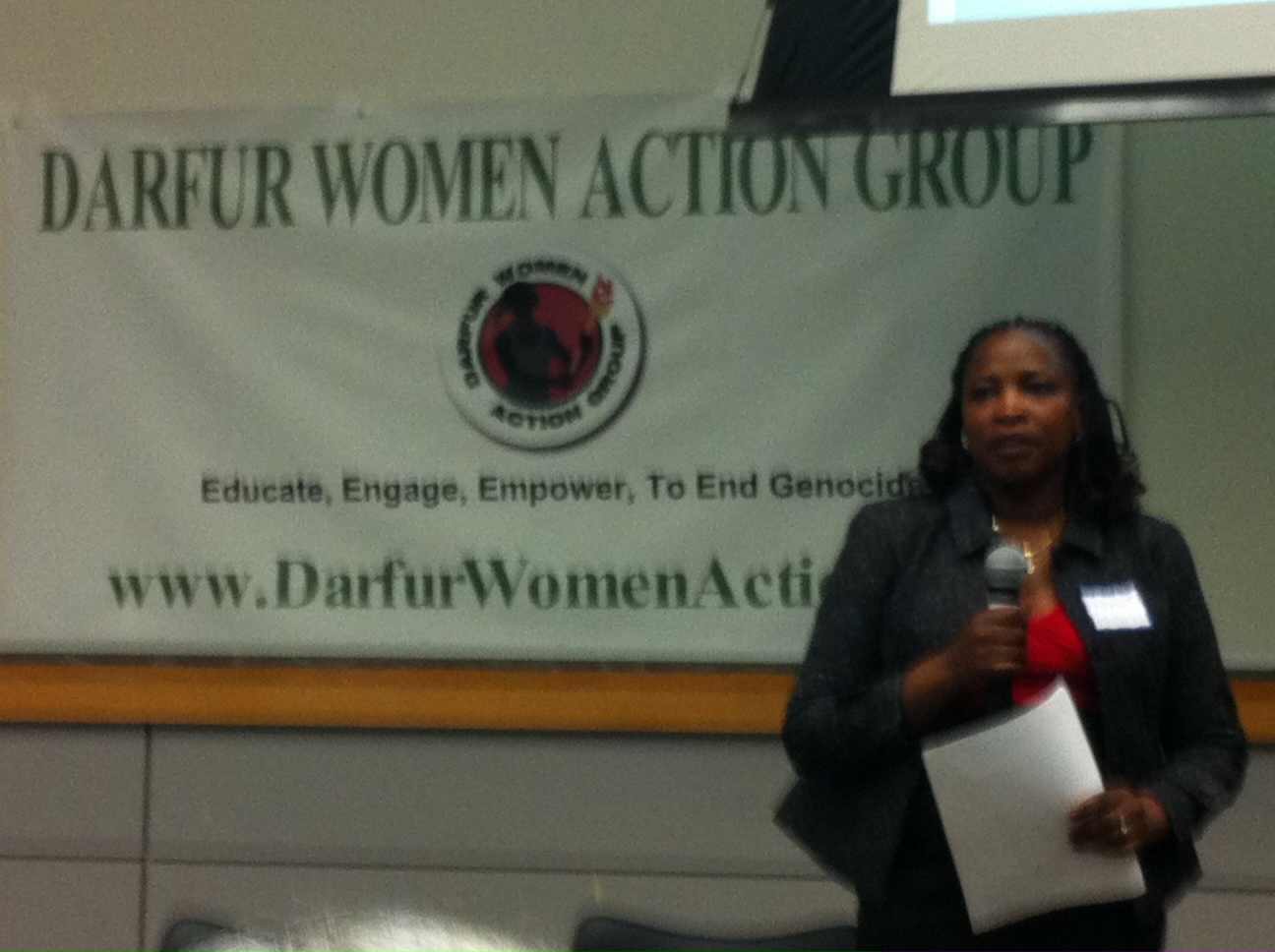
Human rights activist Maria Bello, and co-founder of WE ADVANCE, addressed the issues of women’s rights around the world, including the efforts to help the women of Haiti. She discussed her efforts in helping women in Haiti was focused on what local people needed. Based on understanding the people, the WE ADVANCE group focused their efforts on promoting women’s clinics, educational classes, and digital educational platforms. Maria Bello stated that WE ADVANCE developed an interactive university, promoted women’s centers, and supported the development of women’s radio stations to empower women. She stated that the women’s centers had a way to also alert women as to instances of rape, so that they could respond to such violence. She indicated that the digital educational platforms could be used in other countries as well. Maria Bello also described the importance of foreign aid goals to focus on deliverables that include stories of empowerment and strength. On a broader level, Maria Bello described what she called a “revelation revolution,” which seeks to end the idea of women as victims, but focuses instead on women empowering themselves around the world – economically, in human rights, and in their societies.
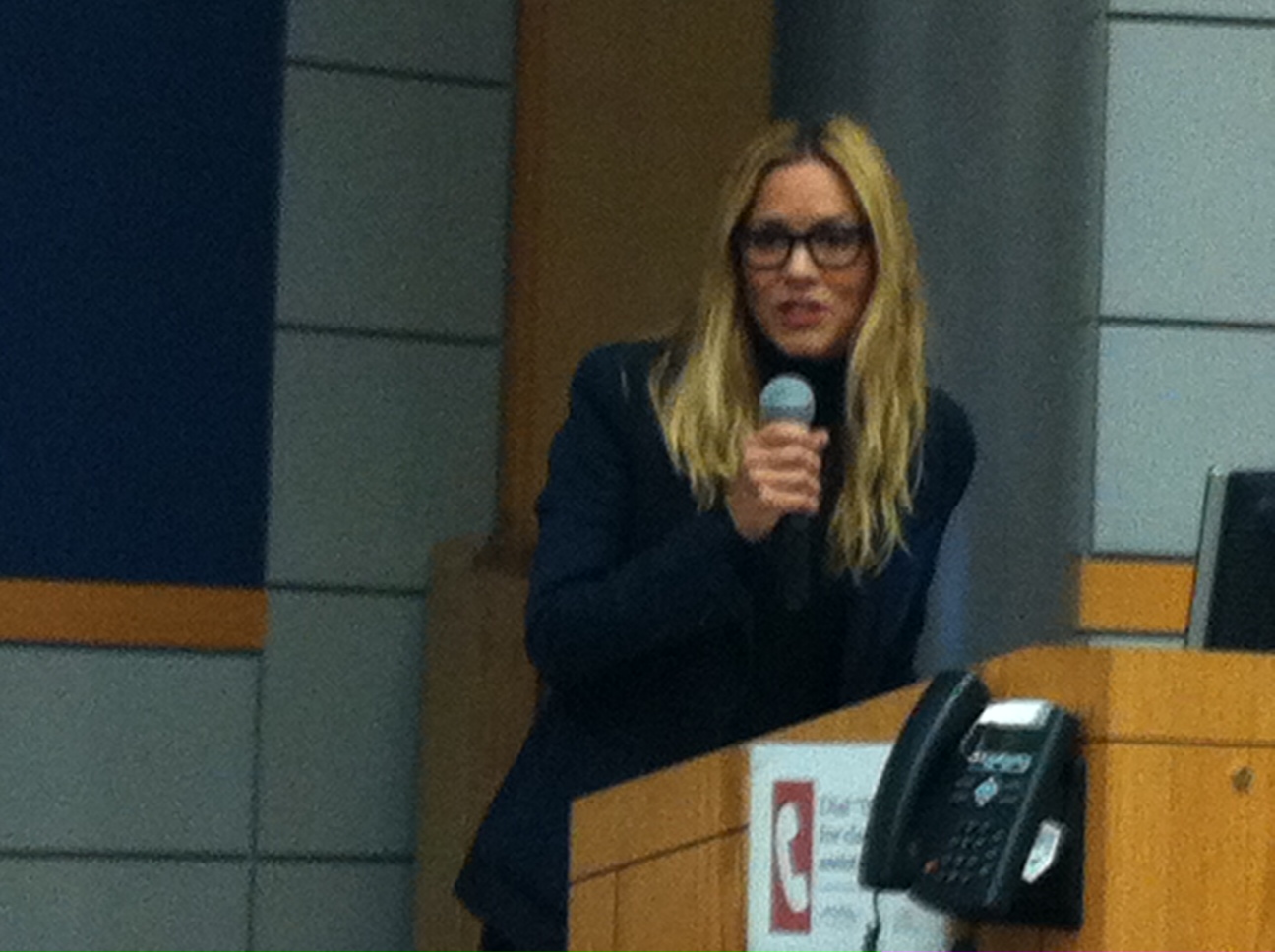
Human rights student activist Charlotte Nguyen spoke of her family’s role as Cambodian refugees, whose family had been attacked by the Khmer Rouge, so she had personal experience in understanding the need to stop those committing genocide. When she was a 16 year old student, she attempted to create an anti-genocide petition, but it was rejected, and she held a sit-in, which resulted her being suspended and failing calculus (since her suspension prevented her from taking high school examinations). In promoting human rights, she became a part of a U.N. human rights organization traveling to Sudan, and she learned of the “profound disconnect” between activism here and on the need of the people in Sudan. She came away with the realization that the Darfuri people were not voiceless, but had their own voice and wanted to fight their own battles. But at the heart of the human rights efforts were strong Darfur women. She urged the public to move from charity to engagement, recommended that the public listen more rather than offer our own solutions, and since women are at the center of the war zone in Sudan, she stated that they must also be at the center of any peace and resolution in Sudan.
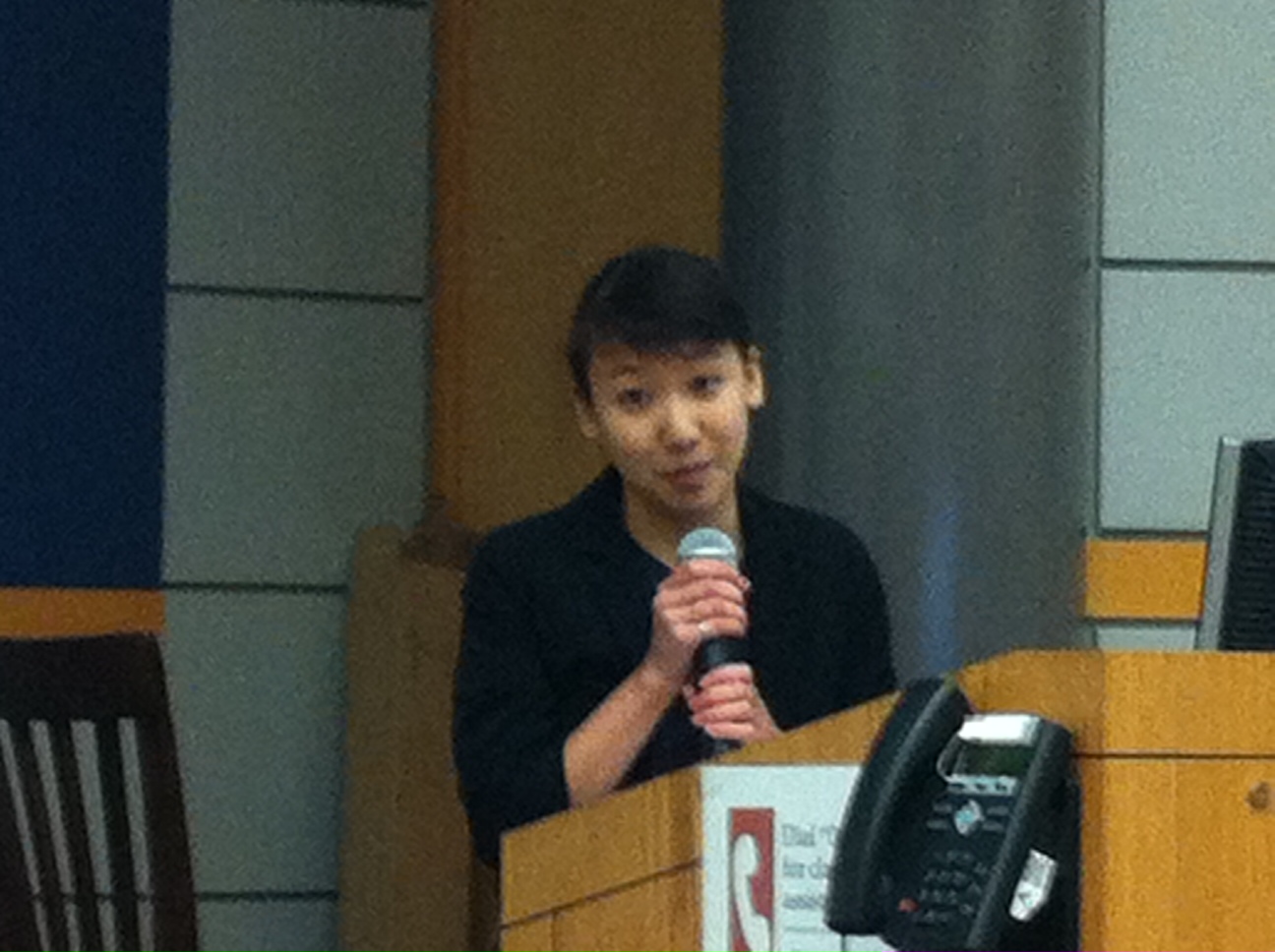
Hawa Mohamed came forward to testify on her personal account of violence against women in Darfur, and how she sought to speak for those left behind. She told of how over 20 people had been raped in her village. She stated that even young children were being raped. She urged the world to continue to hold Omar Al Bashir responsible for his actions. She stated that now that she is in the United States, she is learning English so that she can gain employment and hoped that the next time she spoke it would be in English. Niemat Ahmadi joined with Hawa Mohamed to provide a translation of her story into English.
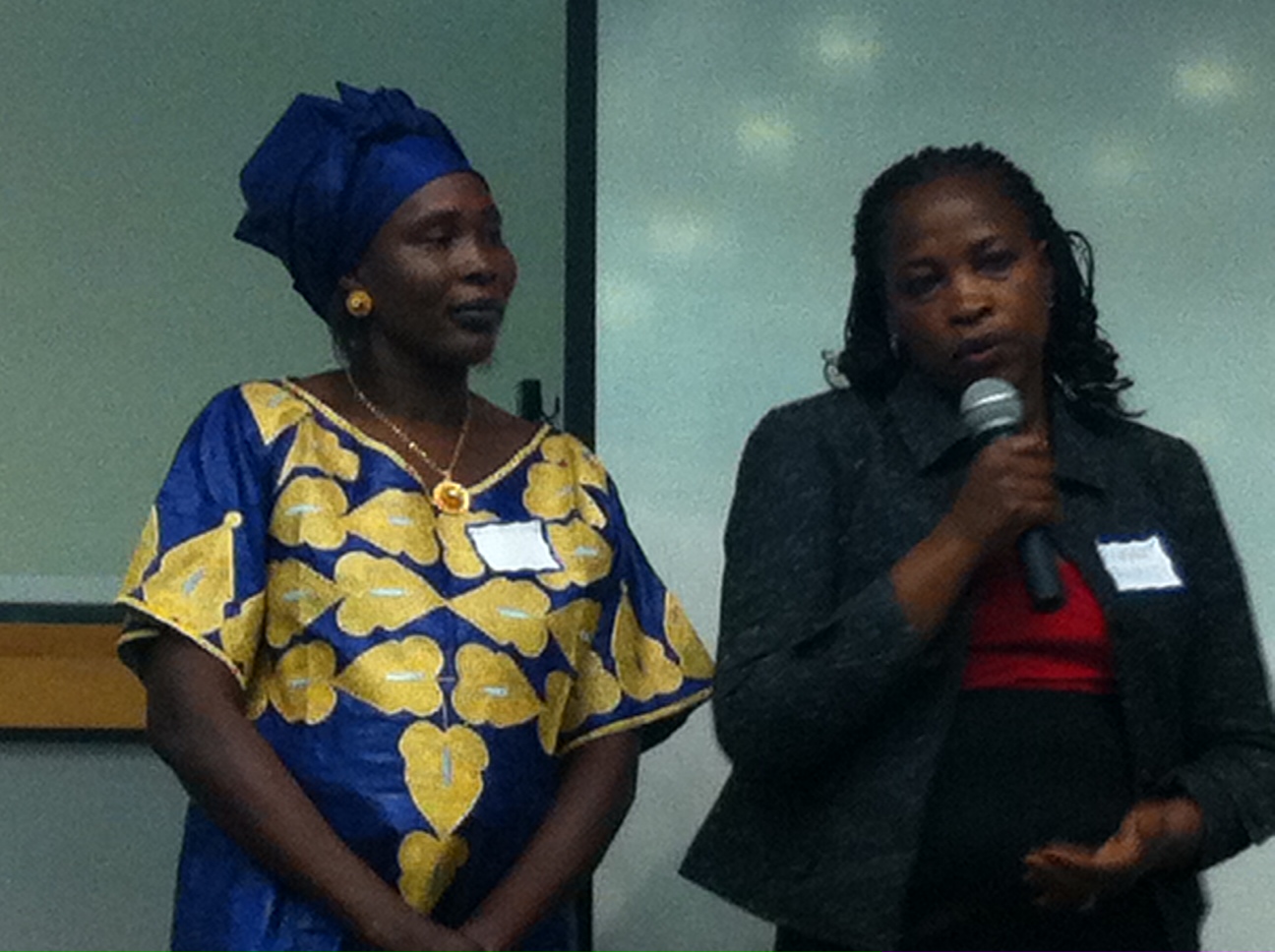
A leader of the Darfur Interfaith Network (DIN) spoke about the efforts of that group, and their continuing efforts working with the Sudanese diaspora, which meets once a month at the Washington Hebrew Congregation. The group is also affiliated with Act for Sudan. She stated that she was inspired by a discussion of the Darfur genocide in 2000 at the U.S. Holocaust Memorial Museum, recognizing that it is a “modern day Holocaust,” and feeling that she had to get involved in some way to work to end these crimes against humanity.
She explained how the Darfur Interfaith Network (DIN) had a public rally every third Sunday of the month at the Sudan Embassy in Washington, D.C., from 1:30 to 2:30 PM. She stated that the group’s activities were described at a Facebook page for “Hope for Darfur Justice in Sudan,” which was the basis for beginning such interfaith rallies. She urged the public to contact their government officials and their Congressional representative to call for change in Sudan. [NOTE: In addition to the monthly DIN rallies at the Sudan embassy, the next “Hope for Dafur – Justice in Sudan” rally is scheduled for Spring 2013, according to the group’s Facebook site.]
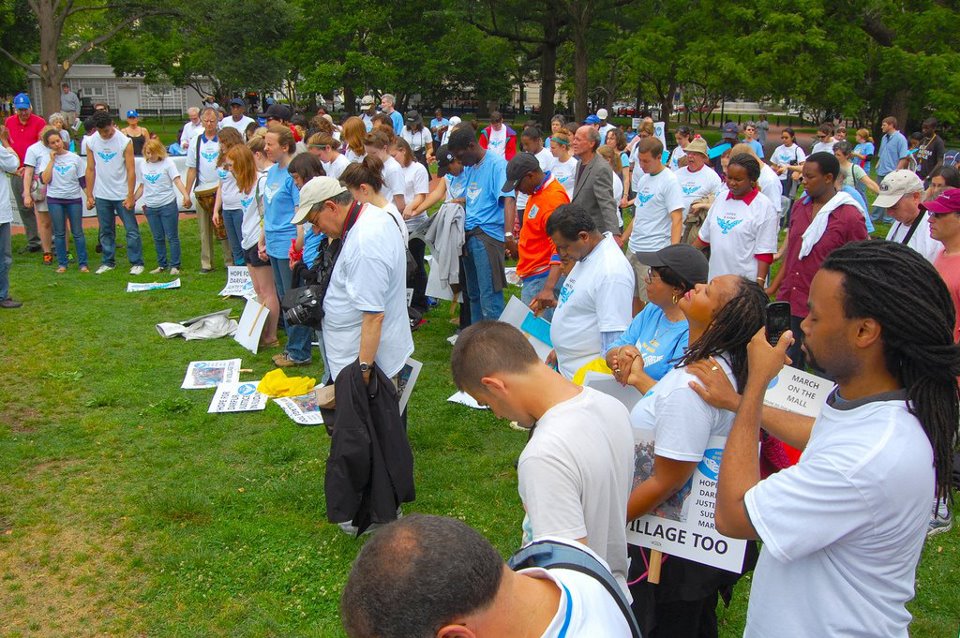
Several individuals involved with DWAG spoke to tell about their involvement and support:
— One Darfuri woman spoke about her appreciation for the organization and its activities, who “are like my family,” and who provide an opportunity to “share my stories.”
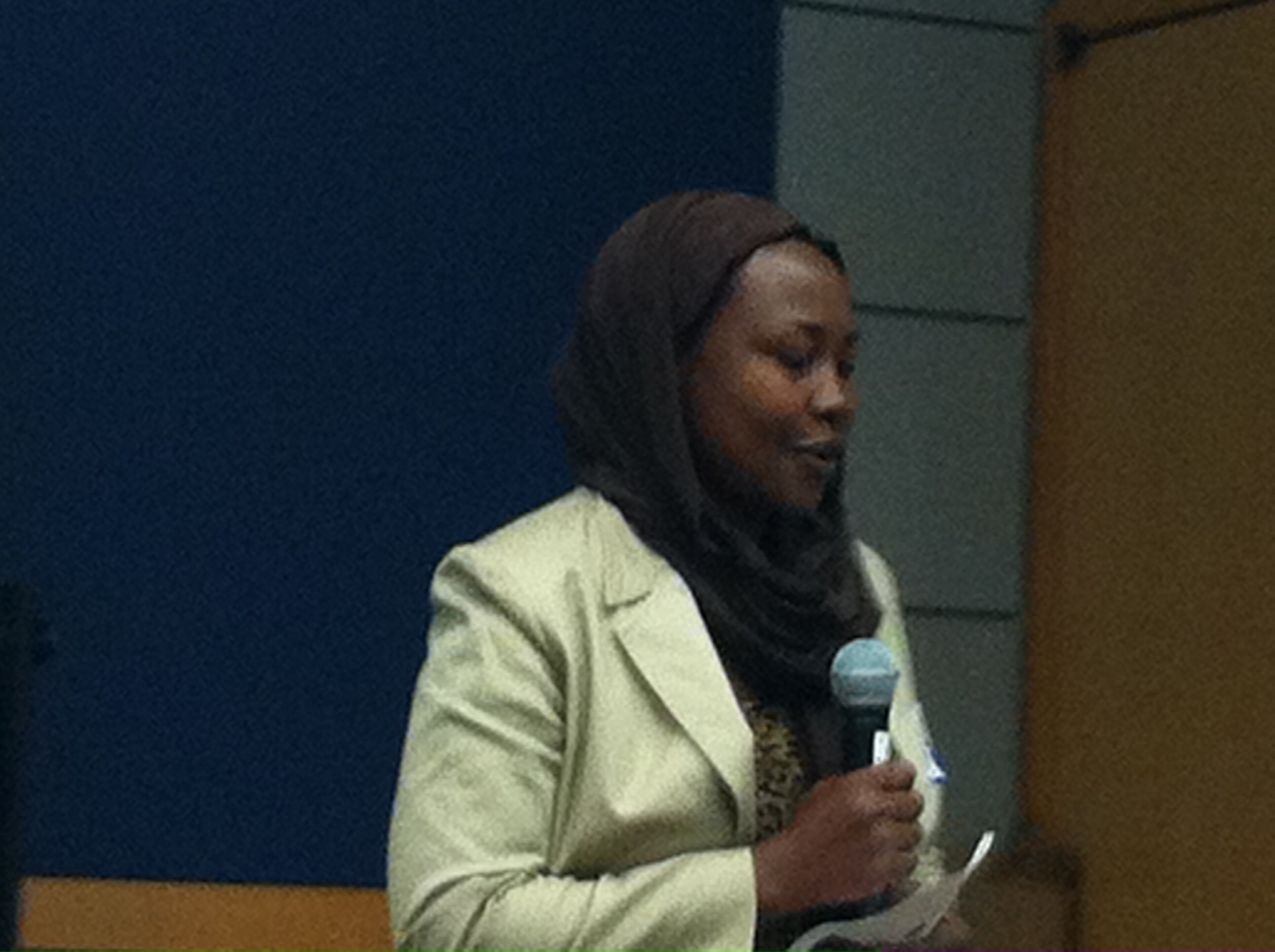
— Another activist spoke about how the group taught “people how to grow”
— Human rights activist Carol Nezzo spoke about her joy in being involved in any effort to empower women, and she spoke about the importance of people learning about African cultures and people. She blew a whistle and said that she sought to “call foul” on those individuals who sought to oppress Darfuri women and any women around the world.
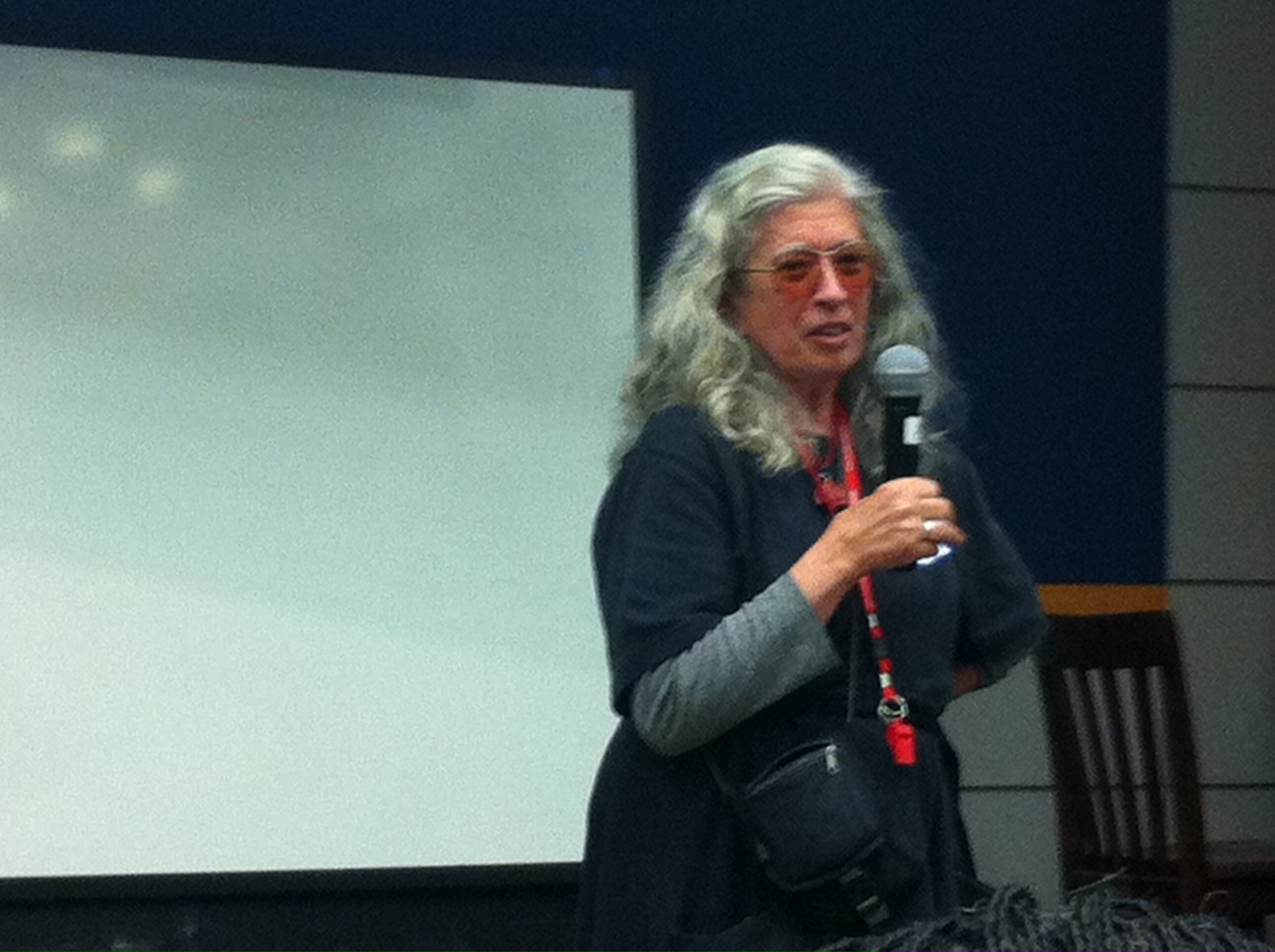
Mr. Khalid Geasis spoke about his appreciation of efforts to restore Sudan’s culture, which traditionally had great respect and honor for women. He stated that traditionally women were the center of the culture, and Sudan was ruled by queens, prior to invasion by outside patriachal influences in the Sudanese culture, which have since sought to marginalize women and women’s rights.
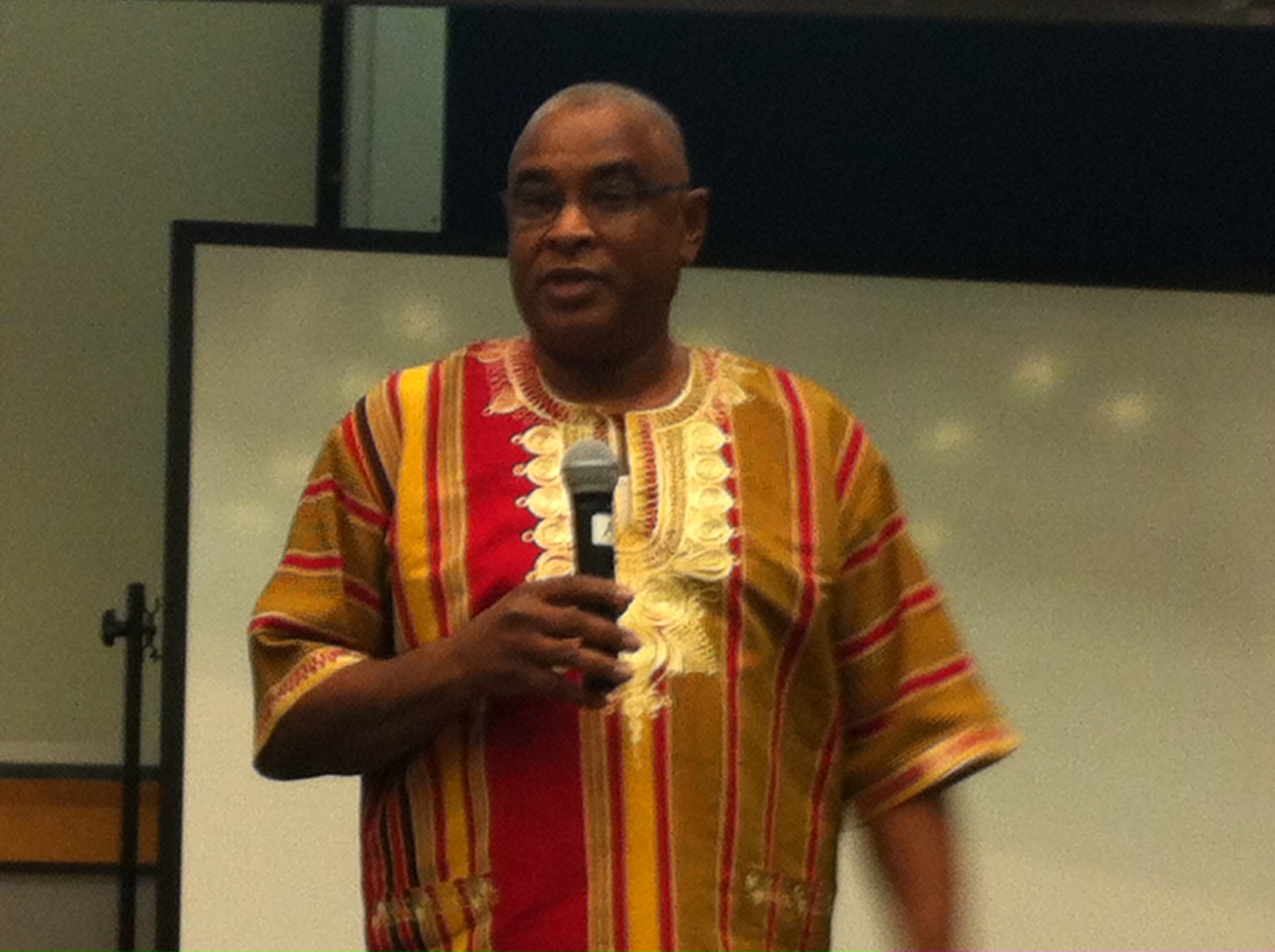
Human rights activist Carol Bluer-Bate spoke about the Women Empowering Women movement, and focused on issues of channeling activism for positive goals and human dignity. She spoke about her efforts to help survivors of torture, and her efforts to bring women together for discussion and support. She spoke about the need not to allow oppression to gain power over human beings, and she urged her fellow human beings to “love your enemies” as their brothers and sisters in humanity.
Responsible for Equality and Liberty (R.E.A.L.) looks forward to the opportunity to host the Darfur Women Action Group to speak at our December 10 Human Rights Day event at the National Press Club in Washington, D.C. this year.